



10 Most Iconic Structures in Abu Dhabi: Architecture That Defines the Capital
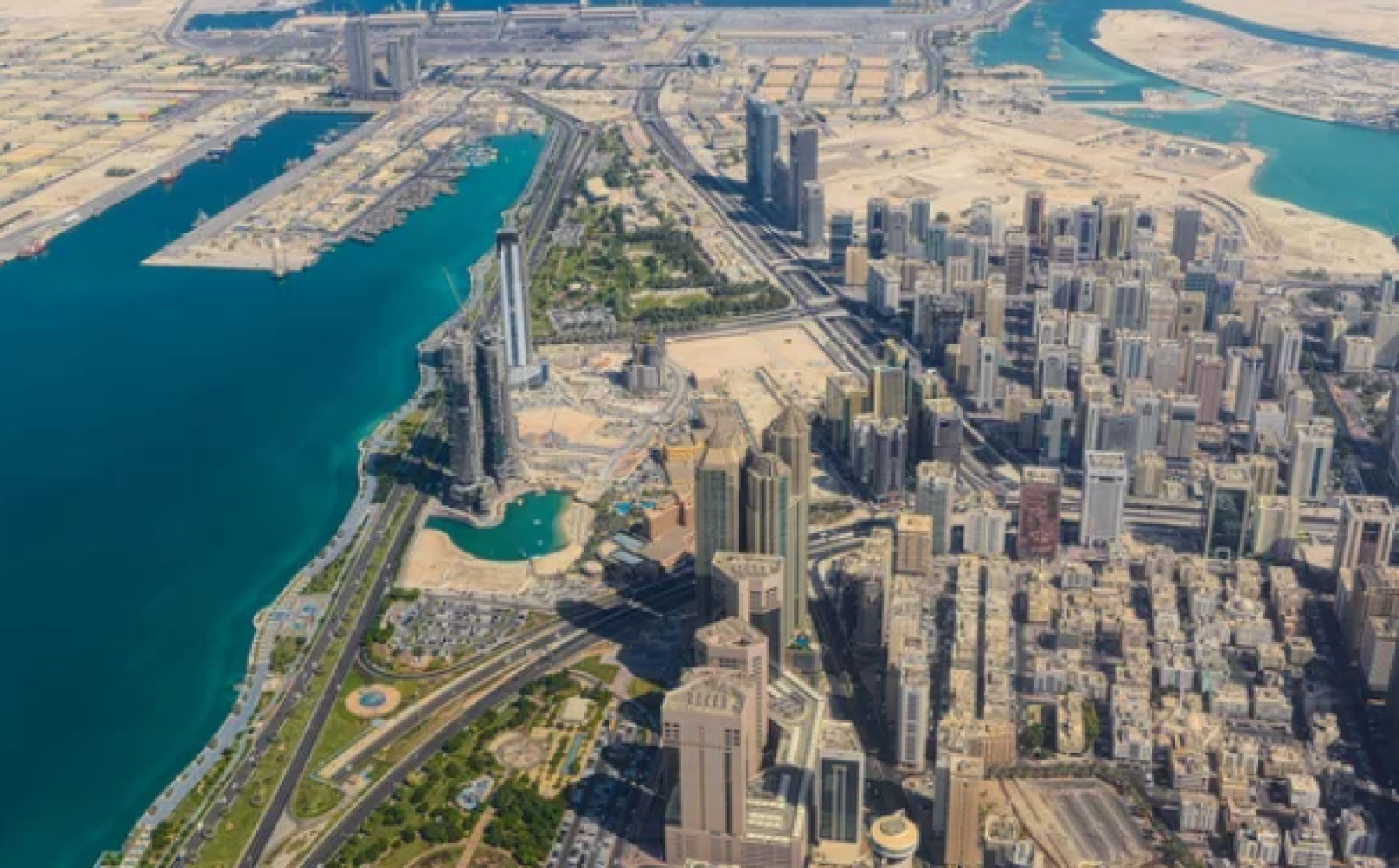
Abu Dhabi’s architectural landscape is a carefully curated mix of tradition and modernity, where each landmark serves a broader purpose beyond its physical presence. The city has positioned itself as a global capital not only through economic strength but also through symbolic structures that reflect culture, innovation, and long-term vision. The most iconic buildings in Abu Dhabi are not random developments—they are strategic statements that shape how the emirate is perceived internationally.
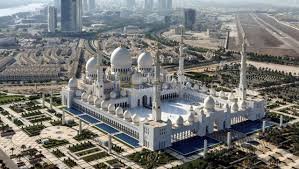
At the core of Abu Dhabi’s identity stands the Sheikh Zayed Grand Mosque, widely recognized as one of the most important religious structures in the world. Its scale, white marble design, and intricate craftsmanship make it a central cultural landmark. It represents both the spiritual foundation of the UAE and its commitment to architectural excellence.
Equally significant is the Louvre Abu Dhabi, a globally recognized cultural institution that places the emirate on the international art map. Designed with a distinctive dome that filters natural light, the museum reflects Abu Dhabi’s ambition to become a bridge between cultures and a global center for art and knowledge.
Another defining structure is Emirates Palace, which embodies luxury and Arabian grandeur. While it functions as a hotel, its architectural presence and scale make it one of the most recognizable landmarks in the UAE. It represents the high-end positioning of Abu Dhabi’s hospitality and tourism sectors.
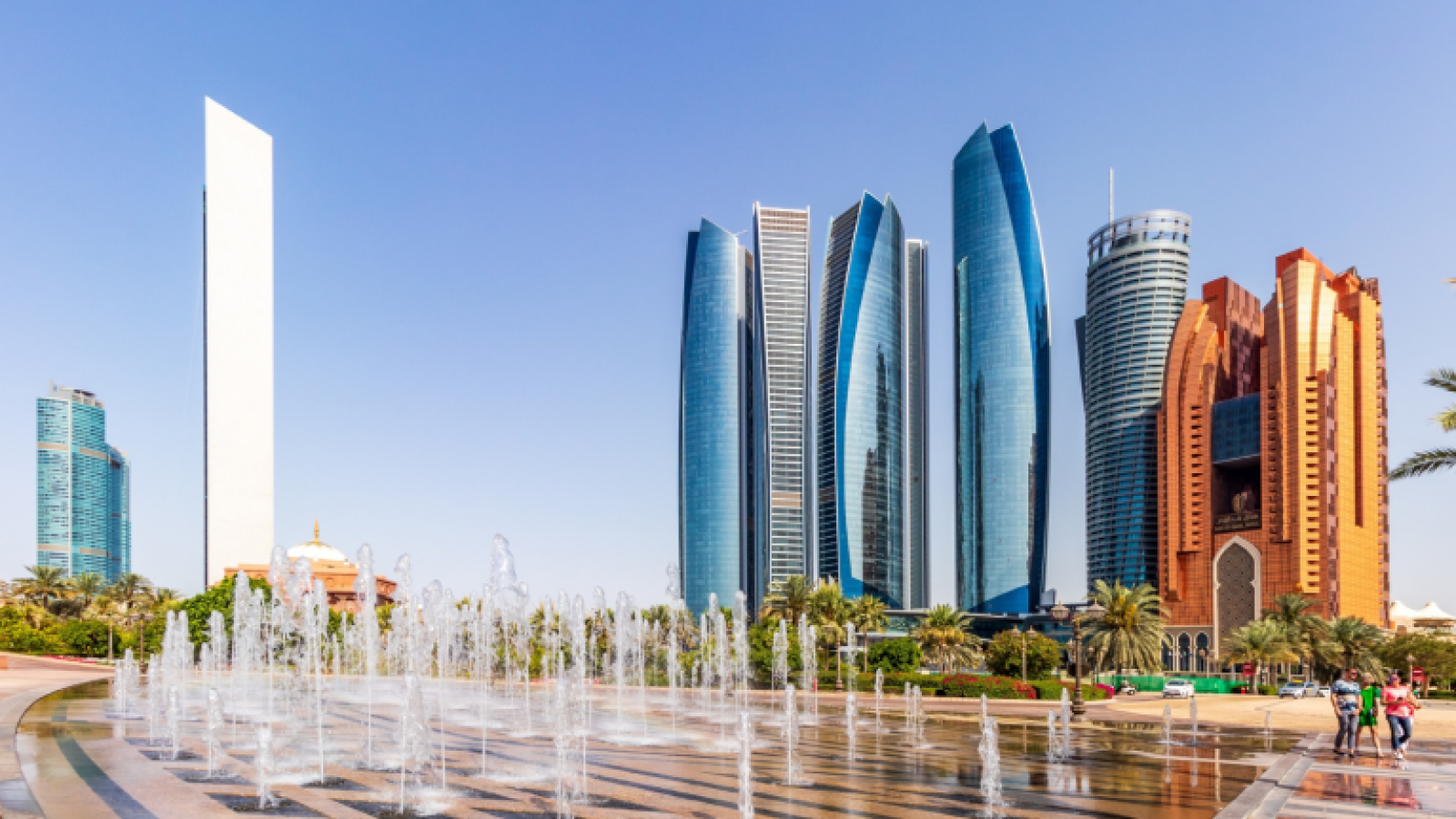
The modern skyline of the city is best represented by Etihad Towers, a cluster of skyscrapers that symbolize contemporary urban development. These towers combine residential, commercial, and hospitality functions, reflecting the integrated nature of modern real estate in Abu Dhabi.
Capital Gate, often referred to as the “Leaning Tower of Abu Dhabi,” introduces a different dimension to the city’s architecture. Its unique inclination and engineering complexity highlight the emirate’s willingness to invest in bold and unconventional design.
Aldar Headquarters is another standout structure, known for its circular shape. As one of the few perfectly round buildings of its kind, it has become a symbol of innovation in architectural design and a landmark within the Al Raha Beach area.
On the cultural and governmental side, Qasr Al Watan plays a significant role. This presidential palace is not only a seat of governance but also a public landmark that showcases the UAE’s heritage, knowledge, and political structure through its design and exhibitions.
Sustainability is represented through Al Bahr Towers, which feature an adaptive façade inspired by traditional Islamic architecture. This design reduces heat exposure and improves energy efficiency, making the towers a global reference point for sustainable building solutions.
In the entertainment sector, Ferrari World Abu Dhabi stands out as one of the most recognizable structures globally. Its massive red roof and unique design reflect the emirate’s strategy to position itself as a leading tourism and leisure destination.
Finally, the Abrahamic Family House represents a modern and symbolic addition to Abu Dhabi’s architectural portfolio. By bringing together a mosque, church, and synagogue in one complex, it reflects the UAE’s message of tolerance and coexistence, adding a conceptual dimension to the city’s built environment.
Together, these structures define Abu Dhabi’s architectural identity. They illustrate how the emirate balances heritage with innovation, culture with modernity, and symbolism with functionality. For investors and observers, these landmarks are not just visual highlights—they are indicators of the emirate’s priorities, direction, and long-term positioning in the global landscape.