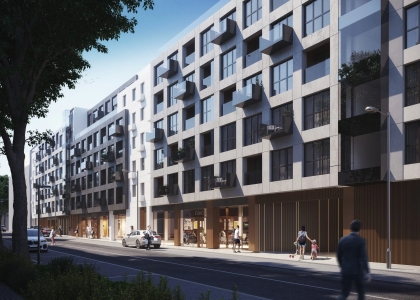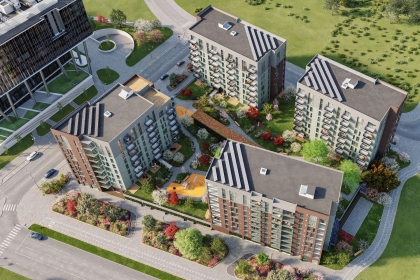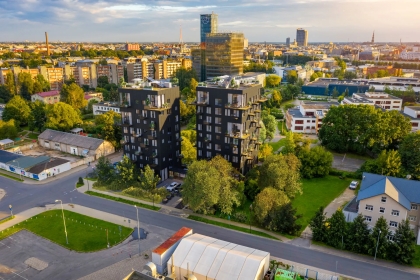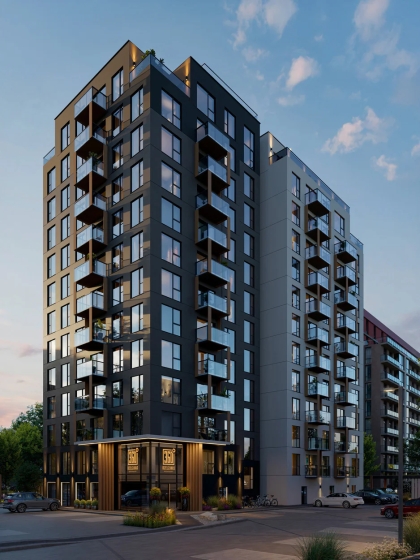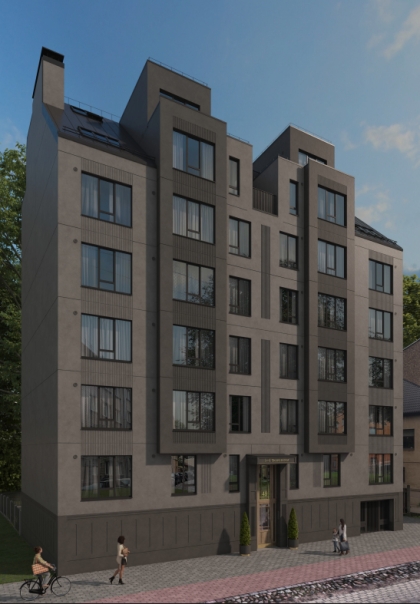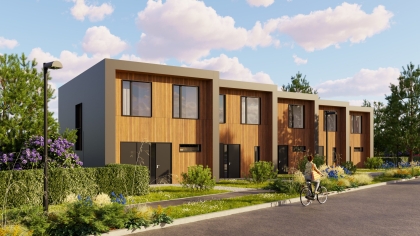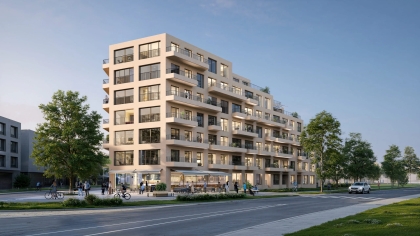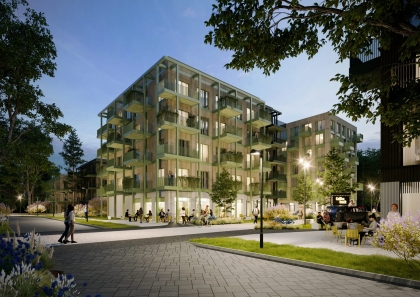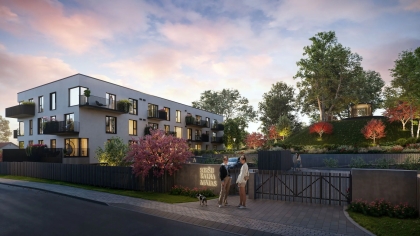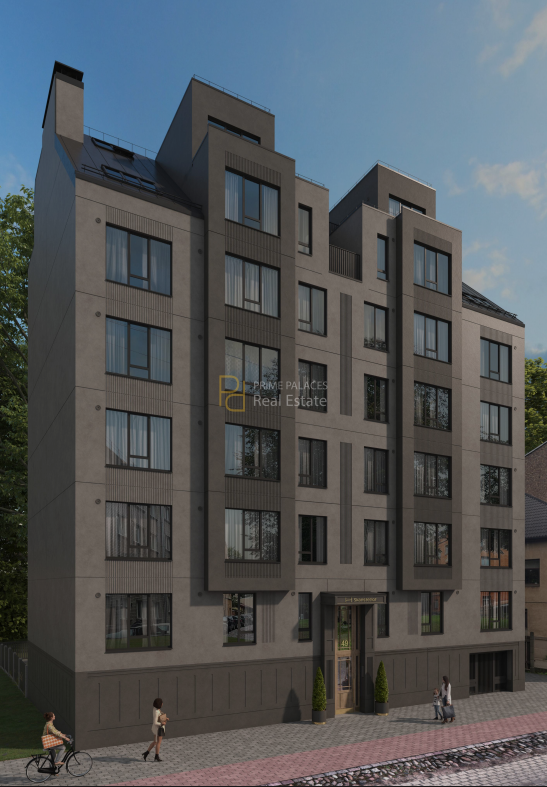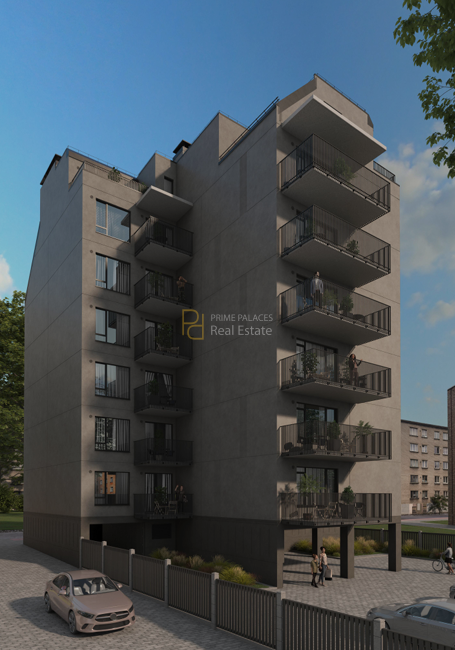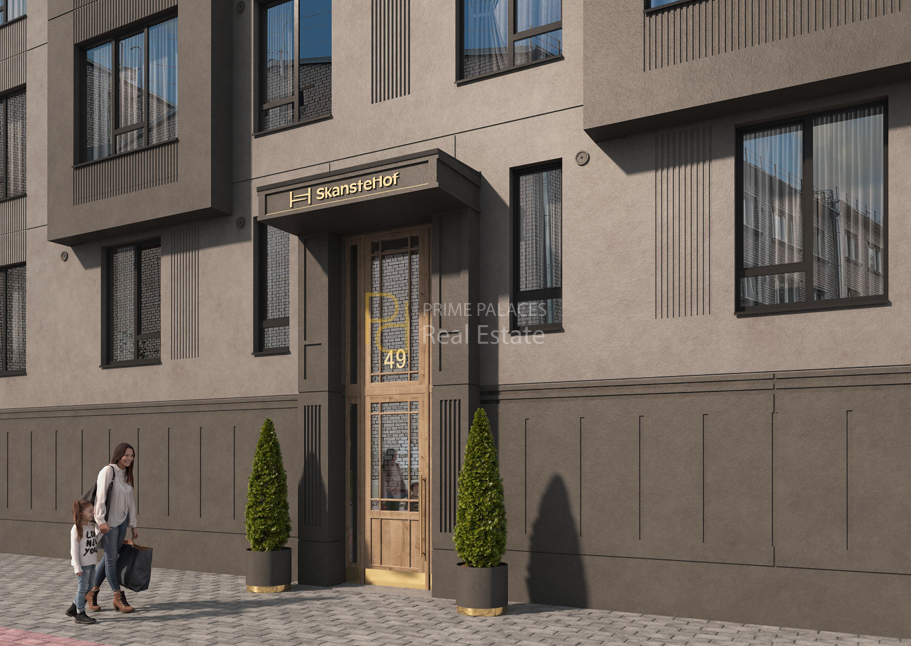



SkansteHof is a multi-apartment residential development located on Hospitāļu iela in the Brasa district of Riga. The project is positioned in a residential zone that directly borders the Skanste business district, one of the key employment and development hubs in the city. This proximity defines the project’s practical relevance, as it allows residents to access workplaces, commercial infrastructure, and services within a short distance while remaining in a quieter residential environment.
The development is carried out by InCity Capital, with Merito Partners involved as a financial partner. The project reflects a structured residential approach focused on delivering usable, ready-to-live apartments rather than high-end or speculative product types. This aligns with Riga’s broader housing demand, where functional apartments in accessible locations form the core of both ownership and rental markets.
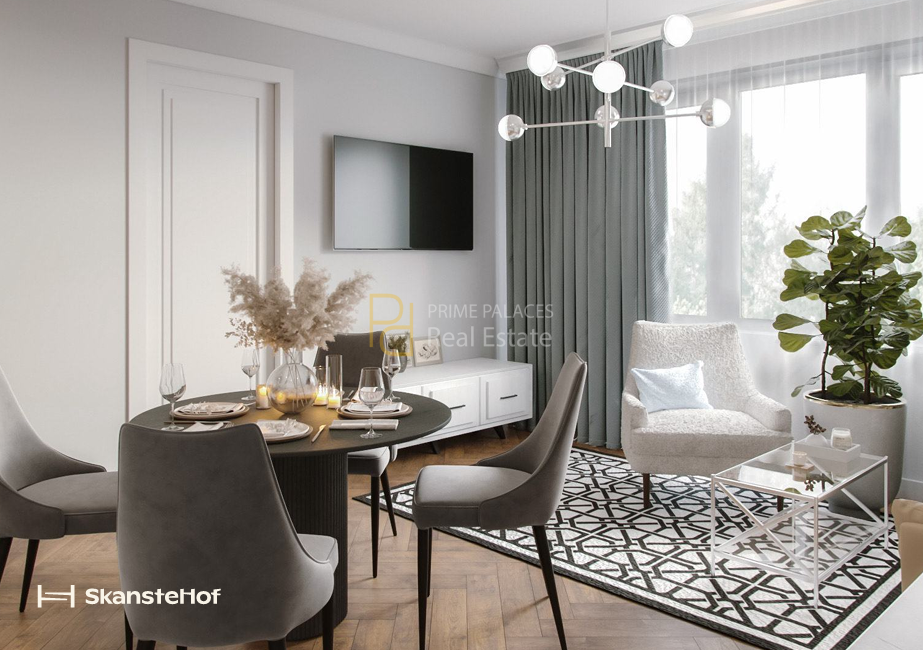
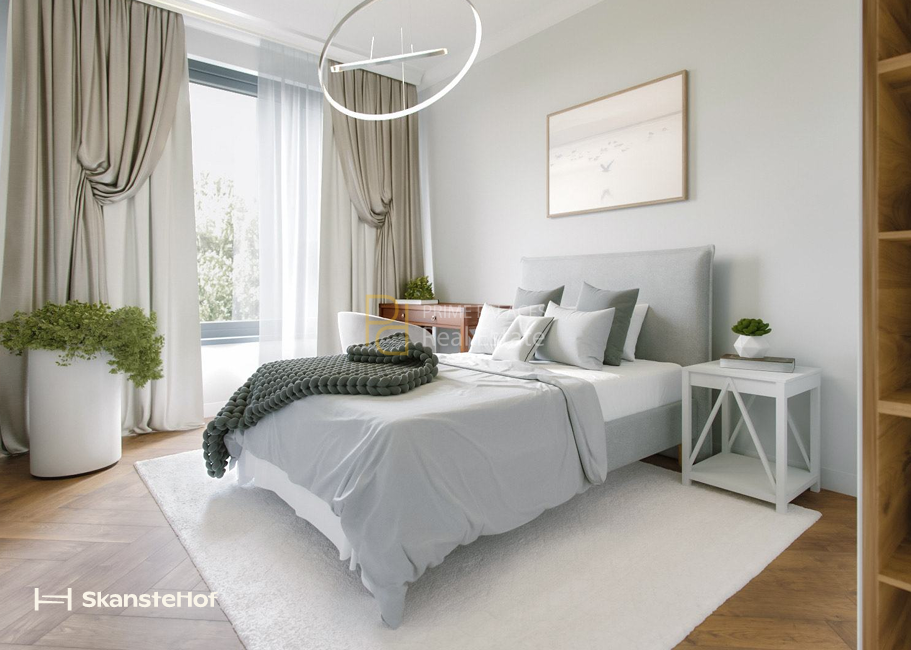
SkansteHof is designed as a fully finished residential building, where apartments are delivered with completed interior specifications. Based on available project information, units include quartz vinyl flooring with skirting boards, painted interior doors, triple-glazed windows, and installed electrical systems including switches and sockets. Bathrooms are equipped with built-in sanitary ware from Villeroy & Boch, with either shower systems or bathtubs, as well as underfloor heating. The inclusion of these features positions the project as a turnkey solution, reducing the need for additional post-purchase investment.
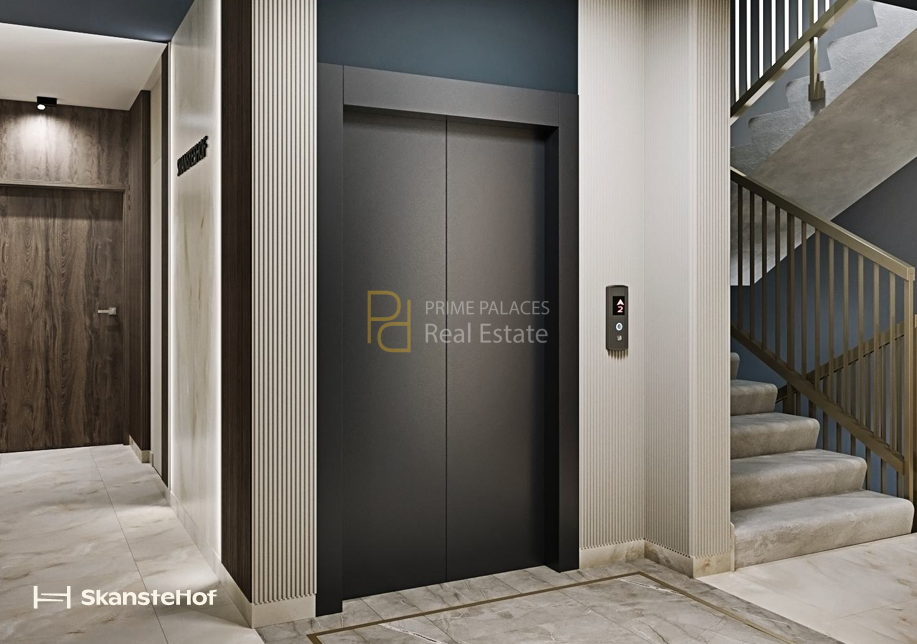
The building itself includes finished common areas, with stone tile flooring in staircases, fire-resistant entrance doors, and elevator systems provided by Schindler. These elements indicate a focus on durability and long-term usability rather than decorative or luxury-oriented design. The overall construction and finishing approach is consistent with mid- to upper-mid segment residential developments in Riga.
From a structural standpoint, the project is apartment-based, in line with the Latvian market where flats represent the dominant asset class. However, detailed information regarding unit mix, number of bedrooms, sizes, pricing levels, launch timeline, and delivery date is not officially specified in the available materials and should be verified separately.
In terms of location functionality, SkansteHof benefits from access to surrounding infrastructure, including educational institutions, retail facilities, office centers, and cultural venues within the broader Skanste and Brasa areas. This ensures that the project is integrated into an existing urban environment rather than being part of an isolated development.
From an investment perspective, the project is positioned within Riga’s mid-market to upper-mid residential segment, where demand is driven by working professionals and long-term tenants. The location near Skanste supports rental demand due to proximity to employment zones, while the residential setting of Brasa contributes to stability and livability.
Properties within SkansteHof may be relevant in the context of Latvia’s real estate-based residence framework, particularly around the €250,000 threshold. However, eligibility depends on the individual unit’s valuation, cadastral value alignment, and transaction structure. Not all units automatically qualify, and each case requires independent assessment.
Overall, SkansteHof represents a functionally designed residential development focused on usability, location efficiency, and alignment with Riga’s existing housing demand. The project is structured around practical living standards and urban accessibility rather than lifestyle-driven or speculative positioning, making it relevant for buyers prioritizing stability and long-term residential use.